
How to Become a Courier Driver in South Africa: Step-by-Step Guide for 2026
To become a courier driver in South Africa, you need a valid licence, a roadworthy vehicle, insurance that covers paid delivery work, and a clean record. Gig apps like Mr D Food approve car drivers within days. Contract work with companies like DSV or The Courier Guy pays more, but it takes longer to set up and the contract matters as much as the rate.
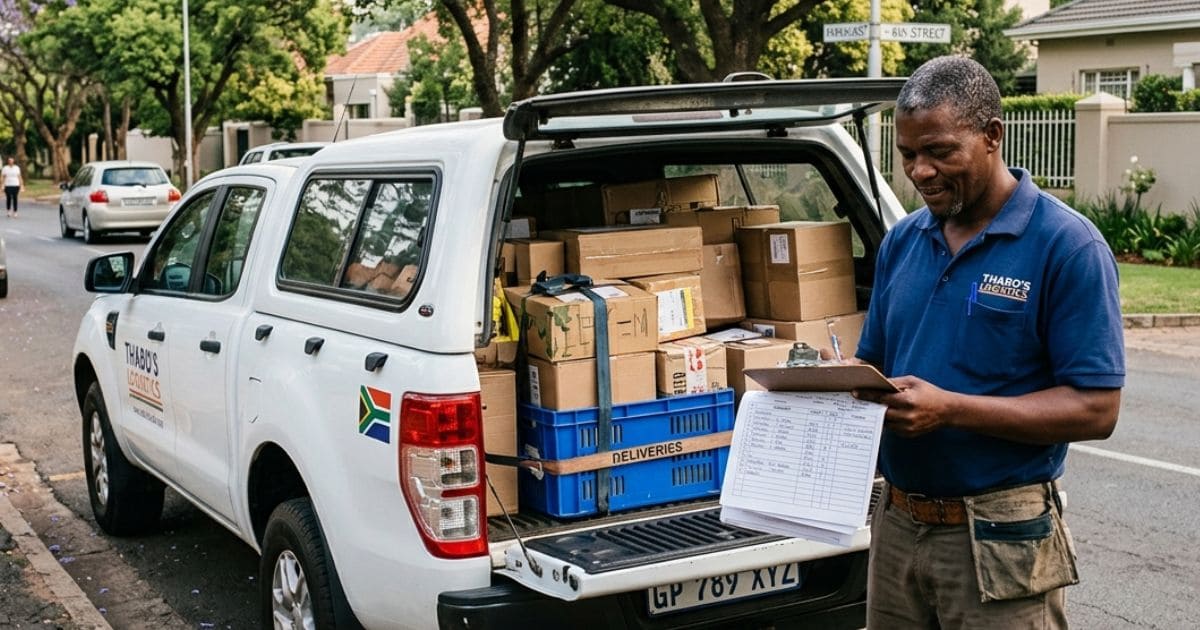
How to Become a Courier Driver in South Africa: The Short Answer
A courier driver collects and delivers parcels, food or documents, usually as a self-employed contractor using their own vehicle. You can start in days on a gig app, or in one to three weeks on a contract with a courier company.
Most people start on a gig app to earn quickly, then move to contract work once they know their costs. If you are ready to compare employers, see our list of courier companies looking for owner drivers in South Africa. Looking for open roles instead? Try our courier driver jobs in South Africa guide.
Courier Driver Requirements in South Africa
Most couriers ask for a valid licence, a roadworthy vehicle under about 10 years old, commercial-use insurance, a clean record and a smartphone with data. Contract work adds a SARS tax number.
- Licence: Code B or 8 covers cars and light bakkies. Many companies want it held for two years. Larger vans can need Code 10.
- Vehicle: roadworthy certificate, service history and no visible damage.
- Insurance: cover that allows paid courier use (see below).
- Clean record: companies like DSV and RTT run licence and background checks.
- Right to work: a valid SA ID or work authorisation.
- Tax number: contractors register with SARS.
Gather these papers before you apply. It shortens approval time at busy companies like DSV (our driver vacancies guide).
Do You Need a PrDP to Be a Courier Driver?
By law, a PrDP is required for goods vehicles with a gross vehicle mass above 3,500 kg, not for an ordinary car or light bakkie. Some couriers still ask for one in their own onboarding rules.
The South African government PrDP page lists the vehicles that need one. If you plan to drive a heavier truck, a PrDP is compulsory. For a bakkie or car, ask each company whether it requires one. Getting a PrDP early can open more contracts, so some drivers apply for one anyway. The application needs your licence, an eye test and a medical certificate, and fees vary by municipality.
How to Become a Courier Driver With Your Own Car
To become a courier driver with your own car, start with a gig app such as Mr D Food or Uber Eats, then add parcel work once you know your running costs. A bakkie or van opens up more contracts.
A hatchback like a VW Polo Vivo keeps fuel costs low and parks easily in town. It suits food and small-parcel runs. A bakkie such as a Toyota Hilux or Nissan NP200 gives you access to the best-paying owner-driver routes. Work out your fuel bill first: a bakkie doing 300 km a day can burn R1,500 to R1,800 a week at current Gauteng prices (our estimate, so check your own consumption).
Need kit? Our courier driver starter pack covers dashcams, phone mounts and bags worth buying.
How to Become a Courier Guy Driver
To become a Courier Guy driver, apply through The Courier Guy's official careers or subcontractor channel with your licence, vehicle papers, roadworthy certificate and insurance. Genuine openings never ask for a fee.
Many drivers at national couriers work as independent contractors. That means you supply the vehicle, pay for fuel and repairs, and handle your own tax. The Courier Guy does not publish owner-driver rates. Driver reports point to roughly R15,000 to R22,000 gross a month, before costs. Read the contract before you commit, because the same clauses decide your take-home at any courier.
Bakkie Owner Driver Contracts: What to Check Before You Sign
A bakkie owner driver contract is an agreement where you supply your own bakkie and a courier company pays you per route or parcel. Rate method, liability for lost parcels and exit terms differ widely, so read every clause first.
Companies such as DSV and RTT contract owner drivers, and the terms are not the same. Before you sign, check:
- How your rate is calculated (per parcel, per route or per day) and whether fuel is included
- Who pays when a parcel is lost, damaged or stolen
- Notice periods, penalties and what happens if you miss a route
- Which insurance and tracking equipment you must carry
One bad clause can cost you more than the guide does
The Owner-Driver Guide is a 49-page, 11-chapter PDF written for South Africans who want owner-driver work to actually pay. It shows you how to read a courier contract, spot clauses that favour the company, and work out what you really take home.
- Chapter 4: Decoding the Contract, clauses that cost you money
- Chapter 5: Negotiating rates and driveaway terms
- Chapter 7: Who pays when freight is lost, damaged or stolen
- Chapter 8: The real numbers behind the headline rate
How Much Do Courier Drivers Earn in South Africa?
Food delivery pays about R8,000 to R15,000 a month gross, dedicated courier work about R15,000 to R22,000, and owner-driver bakkie contracts about R18,000 to R35,000, all before running costs.
| Type of work | Gross monthly | Main costs | Estimated net |
|---|---|---|---|
| Food delivery (Mr D, Uber Eats) | R8,000 to R15,000 | Fuel R2,000 to R4,500, data R300 | R5,000 to R10,000 |
| Grocery delivery (Sixty60) | R6,000 to R9,500 | Fuel R1,500 to R3,500 | R2,800 to R6,000 |
| Dedicated courier (The Courier Guy, CourierIT) | R15,000 to R22,000 | Fuel R3,000 to R5,500, insurance R1,200 to R2,000 | R9,000 to R14,000 |
| Owner-driver bakkie contract (DSV, RTT) | R18,000 to R35,000 | Fuel R5,000 to R8,000, insurance R2,000 to R3,500, maintenance R1,500 | R9,000 to R20,000 |
The gap between gross and net is where many new drivers get caught. Our Checkers Sixty60 driver salary page shows the same effect on a smaller scale.
6 Steps to Start Courier Driving
Get your documents and vehicle ready, apply to several companies at once, complete screening, sort insurance and SARS, then start delivering and track your costs from day one.
- Get your documents in order. Licence, ID, vehicle papers, roadworthy certificate and police clearance.
- Get your vehicle inspection-ready. Book a roadworthy test, fix visible damage and check tyre tread.
- Apply to several companies at once. Pair one fast gig app with two or three contract couriers.
- Complete screening and onboarding. Expect a background check, vehicle inspection and orientation.
- Sort insurance and SARS. Do both before your first paid delivery.
- Start delivering and track costs. Log fuel and mileage, and work out your pay per hour after costs.
Want a way to find the best fit? Our guide on how to find a courier job near you compares the main companies.
Insurance and Tax for Courier Drivers
Most personal motor policies exclude paid delivery work, so you need cover that allows courier use before your first delivery. Contractor income is taxable and is usually paid through provisional tax.
If you have an accident while doing paid deliveries under a personal policy, the insurer may reject the claim. Ask your broker about commercial motor cover or a hire-and-reward endorsement, and whether goods in transit are covered. Budget about R1,500 to R3,000 a month for a bakkie (estimate).
Register with SARS as a provisional taxpayer. Payments are due in August and February. Keep a record of fuel, maintenance, insurance, data and tracking costs. A tax practitioner is worth the fee in your first year.
Ready to run owner-driver work like a business?
You now know the basics. The guide covers what comes next: the three insurance policies you need, how to price your time and vehicle, SARS provisional tax in plain language, and the first 90 days mistakes that push new drivers out.
- 49 pages, 11 chapters, plus checklists and a quick-reference appendix
- Written for South African owner-drivers, not tied to one courier
- Once-off R99, instant PDF, no subscription
Frequently Asked Questions About Becoming a Courier Driver in South Africa
You need a valid driver's licence (Code 8 or B for most cars and bakkies), a roadworthy vehicle, insurance that allows courier work, a clean record and a smartphone. Contract couriers add a SARS tax number and may ask for a PrDP.
Food delivery pays about R8,000 to R15,000 a month gross. Owner-driver bakkie contracts pay about R18,000 to R35,000 gross, but fuel, insurance and maintenance can cut take-home to R9,000 to R20,000. See our delivery driver salary comparison.
By law, a PrDP is required for goods vehicles over 3,500 kg gross vehicle mass, not for an ordinary car or bakkie under that weight. Some couriers still ask for one in their contracts, so check each company's rules.
Start with a gig platform such as Mr D Food or Uber Eats, which approve car drivers within days. Contract parcel work usually needs a bakkie or van, so a car mostly suits food and small-parcel runs.
Apply through The Courier Guy's official careers or subcontractor channel. Have your licence, vehicle papers, roadworthy certificate and insurance ready. Genuine openings never ask you to pay a fee.
The Courier Guy does not publish owner-driver rates. Driver reports point to roughly R15,000 to R22,000 a month gross, and your take-home depends on fuel, route and vehicle costs.
Many national courier drivers work as independent contractors who supply their own vehicle and pay their own tax. The exact terms sit in your contract, so read it closely and ask a tax practitioner if you are unsure.
They are agreements where you supply your own bakkie and a courier company pays you to run a route or deliver parcels. Pay, fuel, liability and exit terms vary a lot between companies.
Check who pays for lost or damaged parcels, how your rate is calculated, notice periods, penalties and insurance requirements. These clauses decide how much you keep each month. The owner-driver ebook has a full chapter on contract clauses.
Usually not. Most personal motor policies exclude paid delivery work, so tell your insurer first and get cover that allows courier use.
Gig platforms can approve you in 24 to 72 hours. Contract couriers usually take one to three weeks because of background checks, vehicle inspections and paperwork.
Contractor income is taxable, and most drivers register as provisional taxpayers with SARS, paying in August and February. Keep records of fuel, maintenance, insurance and data.
NCR/NCA notice: Internet Business SA is not a registered credit provider. This content is general information, not financial, legal or tax advice. Internet Business SA is not affiliated with DSV, The Courier Guy, Mr D Food, Uber Eats, RTT, CourierIT or Checkers. Earnings and requirements come from public information and driver reports and can change. Confirm current terms with each company. Related reading: current courier driving vacancies.